

When processing meat at scale, problems often occur. Low output, uneven grind, and high labor cost slow production. To solve these problems, industrial meat grinders are widely used in large-scale meat processing operations.
An industrial meat grinder is designed for continuous, high-volume meat processing, with strong motors, solid structures, and stable cutting systems that support safe, efficient, and repeatable production in food manufacturing plants.
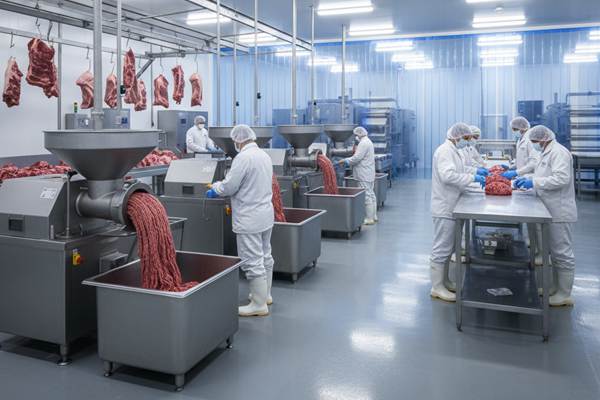
What Is an Industrial Meat Grinder?
An industrial meat grinder, also known as a heavy-duty meat grinder, is built for long operation hours, large batch sizes, and consistent particle size. This type of grinder is designed around load stability and thermal control.
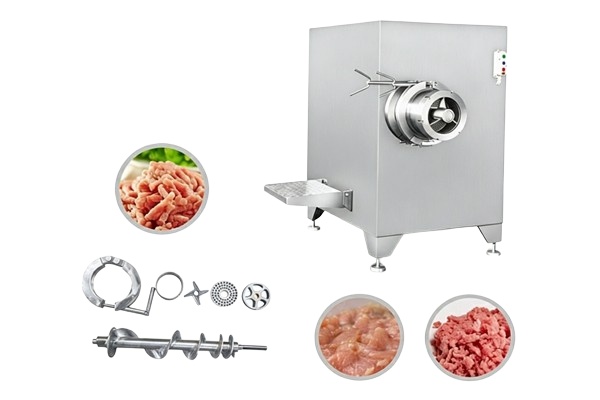
The motor is usually high torque and low speed. This helps prevent temperature rise during grinding, and this is important because protein structure changes fast when meat warms up.
The body is often stainless steel with thick walls. This reduces vibration and noise. It also helps with hygiene and washdown. The cutting system uses hardened steel plates and knives. These parts are made to keep sharp edges under long use.
Below is a simple comparison of core design features:
| Feature | Heavy-Duty Grinder |
|---|---|
| Motor type | High-torque industrial motor |
| Operation time | Continuous |
| Output stability | High |
| Cleaning method | Full washdown support |
| Typical use | Food factories, central kitchens |
In the food production process, this machine is not about speed alone. It is about stable grinding without jams, steady output, and reliable output during long production runs.
Industrial vs Commercial vs Home Grinders
Many buyers confuse grinder categories. This leads to wrong purchases and early failure. The difference is not just size or price, but how the machine is meant to be used.
-
Home grinders focus on low cost and small amount. They use light motors and thin cutting plates. These machines work for minutes, not hours.
-
Commercial grinders sit in the middle. They handle daily shop work but usually need breaks during the day.
-
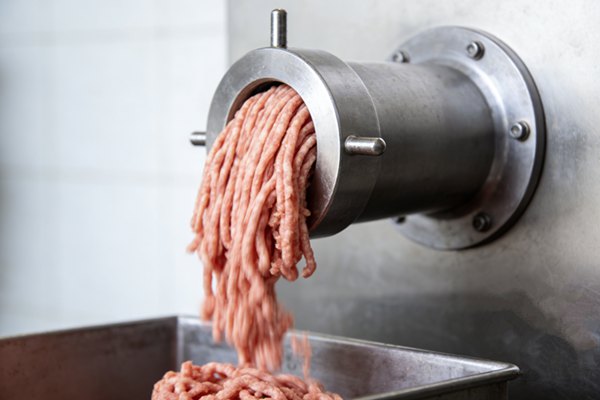
Heavy-duty grinders are designed around continuous load. They assume long shifts, stable feeding, and higher expectations for consistency.
A clear comparison helps explain this:
| Item | Home | Commercial | Industrial |
|---|---|---|---|
| Daily output | <50 kg | 80–250 kg | 300 kg and above |
| Run time | Short | Intermittent | Continuous |
| Maintenance cycle | Short | Medium | Long |
| Factory use | No | Limited | Yes |
Some commercial machines may claim higher output numbers. In practice, these figures are often based on short-term tests not continuous working.
Key Features of Industrial Meat Grinders
-
Built for Continuous Operation
Designed to run for long production shifts without frequent stops. -
High Output Capacity
Supports large batch processing with stable performance under load. -
Stable and Consistent Output
Maintains even grind size to support downstream processing. -
Supports Multiple Grind Sizes
Allows quick adjustment for different product requirements. -
High-Torque Drive System
Handles tough meat and large batches without overload. -
Strong and Durable Structure
Uses reinforced stainless steel to reduce vibration and extend service life. -
Easy Cleaning and Hygiene Design
Smooth surfaces and tool-free parts make daily cleaning faster.
Benefits of Using a Heavy-Duty Grinder
-
Stable Product Quality
Maintains consistent grind size for smooth mixing, forming, and cooking. -
Improved Labor Efficiency
Operators stop less often, feeding is smoother, and jams happen less. This reduces manual work and safety risks. -
Easier Maintenance
Parts wear slowly and last longer, allowing planned service instead of emergency repair. -
Multi-Meat Capability
Can process beef, pork, chicken, or other meats for different products. -
Time-Saving
Handles large batches quickly, reducing labor and speeding production. -
Supports Production Planning
Predictable performance helps manage output and schedules better.
These benefits reduce hidden losses. They do not show on day one. They show after months of stable operation.
When You Need a Heavy-Duty Grinder?
Some factories delay upgrades too long. Others invest too early. Both create problems- waste budget or limit growth.
A plant needs a heavy-duty grinder when production volume, shift length, or quality targets exceed the limits of current machines or smaller one.
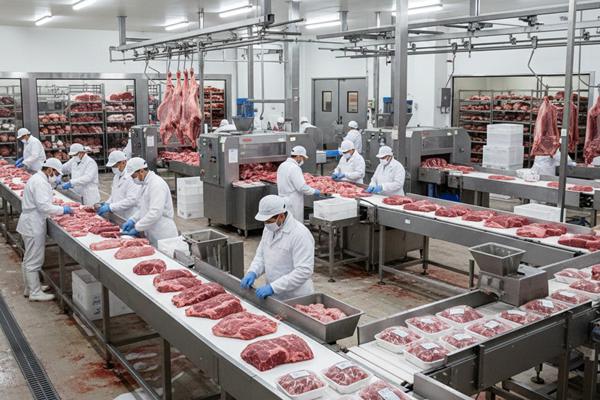
Key signs appear on the shop floor. Machines overheat. Output varies during the shift. Knives dull fast. Operators stop too often. These are not operator problems. They are design limit issues.
Another sign is line expansion. If upstream or downstream machines run faster, the grinder becomes the weak link. This slows the entire line.
Typical trigger points include:
| Signal | Meaning |
|---|---|
| Frequent stops | Machine needs rest |
| Uneven grind | Output instability |
| Fast knife wear | Excess stress |
| Overheating | Load is too high |
| Multi-shift operation | Design limit reached |
When two or more of these appear, it is usually time to consider upgrading your grinder. A small grinder in a large line often leads to downtime and higher maintenance cost.
How to Choose the Right Meat Grinder ?
Choosing the right machine is about matching it to your process, not just picking the biggest model or the cheapest price.
The right grinder should fit your production volume, meat type, and cleaning requirements.
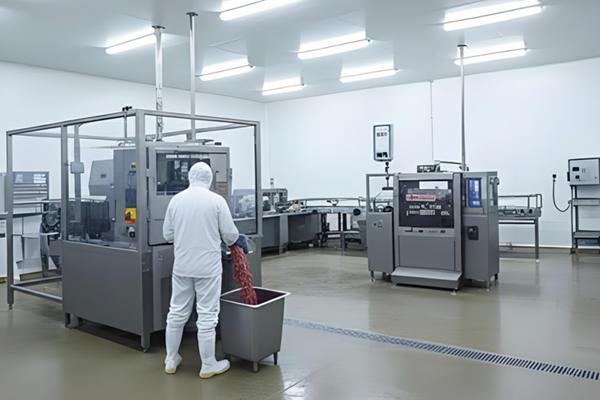
-
Start with capacity
Calculate peak load, not average. Then check motor torque, not only power rating. Torque matters more for frozen or sinewy meat. -
Next, look at usability
Easy feeding, smooth discharge, and simple cleaning all affect daily efficiency. A machine that looks strong but is hard to clean can slow down production. -
Finally ,consider integration
Height, connection points, and control compatibility matter when the grinder becomes part of a line.
A simple buyer checklist:
| Item | What to Check |
|---|---|
| Capacity | Continuous output |
| Operation | Long-run stability |
| Cleaning | Time and effort needed |
| Maintenance | Access to wear parts |
| Line fit | Space and connection |
As an engineer, I always recommend client match the grinder to the line, not the catalog. This avoids costly adjustments later.
Maintenance of Heavy-Duty Meat Grinders
Even the best machine fails without care. Maintenance is not complex, but it must be regular and correct.
Proper maintenance focuses on cutting parts, lubrication, and cleaning discipline.
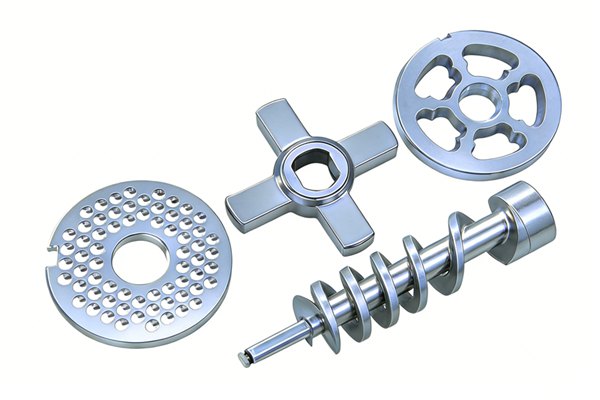
Cutting parts need frequent inspection. Dull knives increase load and heat. This affects meat quality and motor life. Knife rotation and plate resurfacing extend service life.
Lubrication must follow factory schedules. Over-greasing causes seal damage. Under-greasing causes bearing wear.
Cleaning is not only about hygiene. It prevents corrosion and hidden damage. Proper cleaning protects hygiene and also helps spot wear early.
A basic maintenance plan includes:
| Task | Frequency |
|---|---|
| Knife inspection | Daily |
| Plate check | Weekly |
| Bearing grease | Monthly |
| Full inspection | Quarterly |
| Motor check | Semi-annual |
From long-term plant operation, disciplined maintenance saves far more money than emergency repair.
Conclusion
A heavy-duty meat grinder is not just a machine. It is a foundation for stable output, controlled quality, and reliable food production in modern processing plants.
If you are evaluating an industrial meat grinder for your production line, please contact us at [email protected].