

When choosing food machinery, the material used plays a crucial role in the performance and longevity of the equipment. Among the various types of stainless steel, 304 stainless steel stands out due to its excellent corrosion resistance and high cost-effectiveness.
What is 304 Stainless Steel?
304 stainless steel is an austenitic stainless steel that contains 18% chromium and 8% nickel. This composition gives it excellent corrosion resistance, high-temperature resistance, and good machinability.
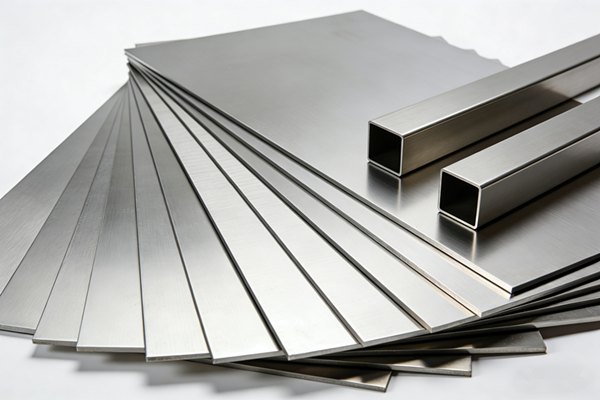
The chemical composition and structure of 304 stainless steel (also known as SUS304 in JIS standards) make it ideal for food machinery. Its corrosion resistance helps it resist acidic and alkaline substances, which is important for machines that work in wet and high-temperature environments.
What Are the Key Components of 304 Stainless Steel?
304 stainless steel's primary alloying elements are chromium and nickel. Chromium provides corrosion resistance, while nickel enhances the steel's strength, ductility, and ability to resist oxidation at high temperatures.
In addition to these elements, small amounts of carbon, manganese, and silicon are also present in 304 stainless steel.
What Other Types of Stainless Steel Are Used in Food Machinery?
Besides SUS304, other stainless steel materials commonly used in the food machinery industry are 201 and 316.
201 Stainless Steel
201 stainless steel is a lower-cost option compared to 304. It contains less nickel, which makes it more susceptible to corrosion, especially in harsh environments. While it is more affordable, it does not provide the same level of durability and resistance as 304 stainless steel.
316 Stainless Steel
316 stainless steel contains molybdenum, which enhances its resistance to corrosion, particularly in chloride environments, making it ideal for marine applications or food processing equipment exposed to salty conditions. However, it is more expensive than 304, which makes it less commonly used in most food machinery.
Key Differences Between 201, 304, and 316 Stainless Steel
| Property | 201 Stainless Steel | 304 Stainless Steel | 316 Stainless Steel |
|---|---|---|---|
| Chromium Content | 16-18% | 18-20% | 16-18% |
| Nickel Content | 3.5-5.5% | 8-10.5% | 10-14% |
| Molybdenum | None | None | 2-3% |
| Manganese | 5.5-7.5% | ≤2.0% | ≤2.0% |
| Corrosion Resistance | Moderate | High | Very High |
| Cost | Low | Medium | High |
Why is SUS304 the Best Choice for Food Machinery?
Compared with 201 stainless steel, SUS304 provides better corrosion resistance, while remaining more cost-effective than 316 stainless steel. This balance makes it an ideal material for food machinery.
Is SUS304 Food Safe?
Yes, SUS304 stainless steel is food-safe. Its non-reactive nature ensures that it does not affect food products, making it ideal for food production.
Does 304 Stainless Steel Rust?
Although SUS304 is highly resistant to rust, it is not completely rust-proof. Under harsh conditions, especially in environments where it is exposed to chlorides or extreme temperatures, it may show signs of corrosion over time.
To ensure the longevity of 304 stainless steel, it is important to properly maintain and clean equipment regularly. With good care, 304 stainless steel will maintain its appearance and performance for many years.
How to Maintain 304 Stainless Steel Equipment?
Clean it regularly to remove food residue, oils, or chemicals. Avoid harsh chemicals and abrasive materials to protect the surface.
Use non-abrasive cleaners and soft cloths for cleaning. Avoid chlorine-based cleaners, as they can cause pitting corrosion. By following these guidelines, you can keep your equipment safe, hygienic, and functional.
How to Identify SUS304 in Equipment Procurement?
-
Check the Price
The price is one of the easiest ways to identify SUS304. It is generally more expensive than 201 stainless steel, often by around 50–80%, depending on market conditions. If you find a product that seems too cheap, it might be 201 or another lower-grade material. -
Look at the Appearance
Although 201 and 304 stainless steel look similar, they have some differences. SUS304 has a shinier appearance. 201, on the other hand, looks more dull or matte. This is because 201 contains more manganese, which reduces its shine. -
Use a Chemical Test
You can use a quick chemical test to identify the material. Special testing solutions can distinguish between 304 and 201 stainless steel. -
Consult a Professional Testing Agency
If you're unsure, you can send the material to a professional testing agency. They can analyze the sample and confirm whether it's SUS304.
During the procurement process, you can also request material certificates from the supplier.
Conclusion
304 stainless steel offers excellent corrosion resistance, durability, and value, making it a top choice for food machinery. When sourcing food equipment, it’s important to consider more than just the price. While some machines may look similar, the material quality can significantly affect performance and longevity.
If you have any questions or need more information, feel free to contact us at [email protected].